
Rodent Exclusion in Georgia: How to Keep Rats and Mice Out This Winter
November 17, 2026
If you've started hearing scratching in the ceiling at night, finding droppings in the pantry, or seeing chewed packaging in the garage, you're not alone. Late fall and winter are rodent season in Georgia. As temperatures drop and outdoor food gets scarce, roof rats, Norway rats and house mice go looking for warm, dry shelter, and attics, walls, crawl spaces and storage rooms are exactly what they want.
Traps and bait can deal with the rodents already inside. They don't stop the next ones. The only lasting fix is exclusion: finding and sealing every way in. That's what this guide covers, for both homes and commercial properties.
Why rodent problems spike in Georgia between November and February
- Cold nights push rodents toward heat. Warm air collects in attics and wall cavities, which is why so many winter calls start with noises overhead.
- Food sources outside shrink, so pantries, pet food, bird seed and dumpsters become targets.
- Rodents breed through the winter indoors, so a couple of mice in November can become an established population by spring.
- Georgia homes have plenty of easy entry points: roof returns, soffit gaps, gable vents, AC line openings, garage door corners and crawl space vents.
Signs you have rats or mice
- Scratching, scurrying or gnawing sounds in the attic or walls, especially at night
- Droppings in cabinets, along baseboards, in the attic or in the garage
- Grease marks (dark rub marks) along walls, beams and entry holes
- Chewed wiring, insulation, food packaging or stored boxes
- Nests made from shredded insulation, paper or fabric
- A musty, ammonia-like smell
- Pets staring at or pawing at walls and ceilings
If you're seeing even one of these, rodents are likely already established. See also: Noises in Your Attic? Here's What's Living Up There.
Roof rats, Norway rats and house mice: what's getting into Georgia buildings
Three rodents cause nearly all of the problems we see in West Georgia homes and businesses, and each one gets in a different way. Knowing which one you have tells us where to look first.
- Roof rats: excellent climbers that travel along power lines, fences and tree branches. They usually get in high, through roof returns, soffit gaps, gable vents and gaps where the roofline meets the siding. Most attic rat problems in Georgia are roof rats.
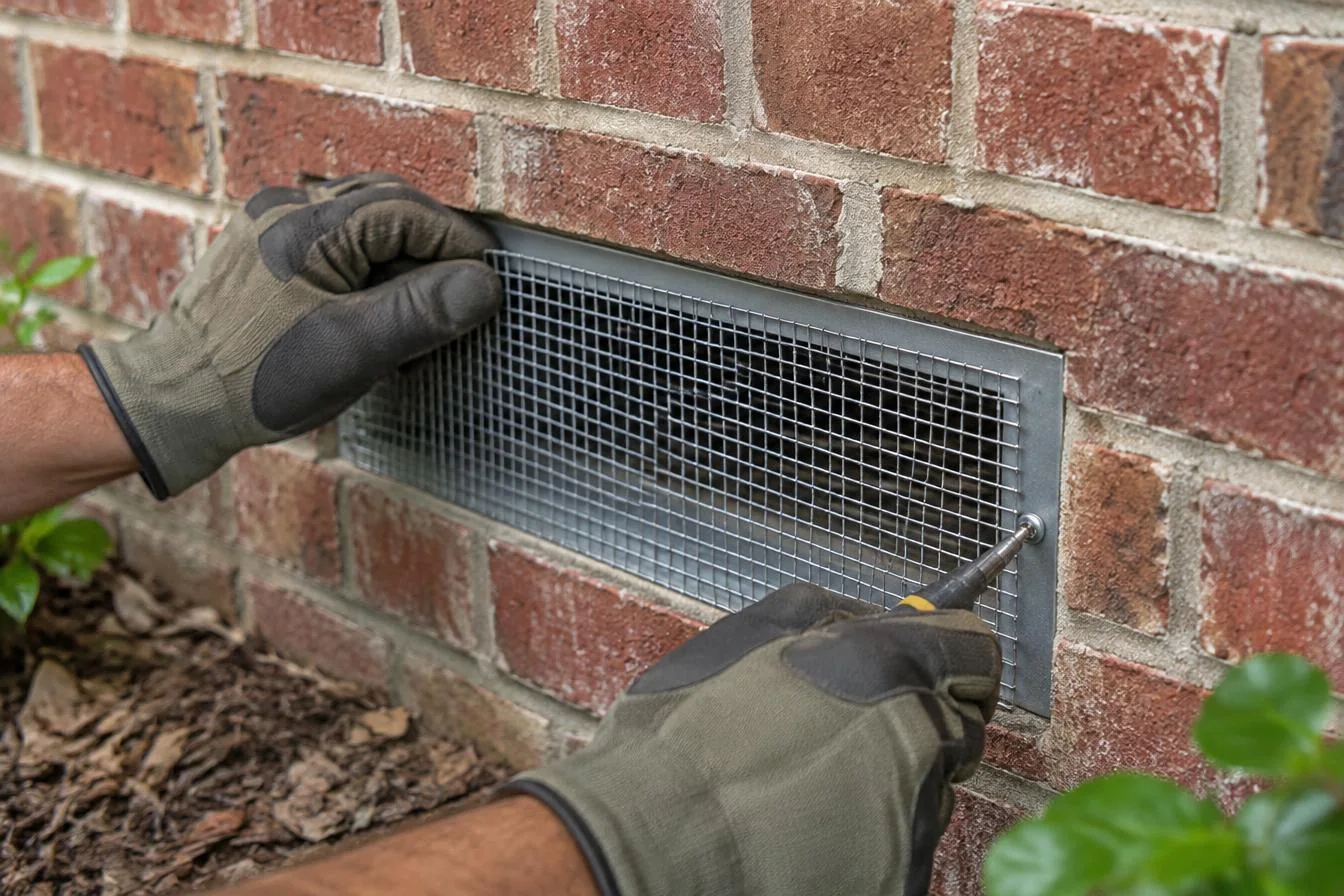
- Norway rats: larger, heavier rats that burrow. They usually get in low, through foundation gaps, crawl space vents, gaps around pipes and under garage doors. You'll often find them in crawl spaces, basements and garages.
- House mice: small enough to use gaps most people never notice. They get in almost anywhere, high or low, and they settle into wall cavities, cabinets, storage areas and attics.
Many buildings have more than one of these at the same time. That's why a proper inspection covers the whole building, from the foundation to the ridge, instead of just the spot where you heard noises.
Why traps and poison alone don't solve it
Trapping and baiting reduce the rodents already inside, but every gap that let them in is still open. New rodents follow the same scent trails back in, and the cycle repeats every winter. Poison adds another problem: rodents often die inside walls and ceilings, which leads to odors and insects that are hard to reach. Exclusion breaks the cycle by taking away the way in.
What professional rodent exclusion includes
- Full inspection: we check the roofline, soffits, vents, foundation, utility penetrations, garage and crawl space, and show you every entry point we find.
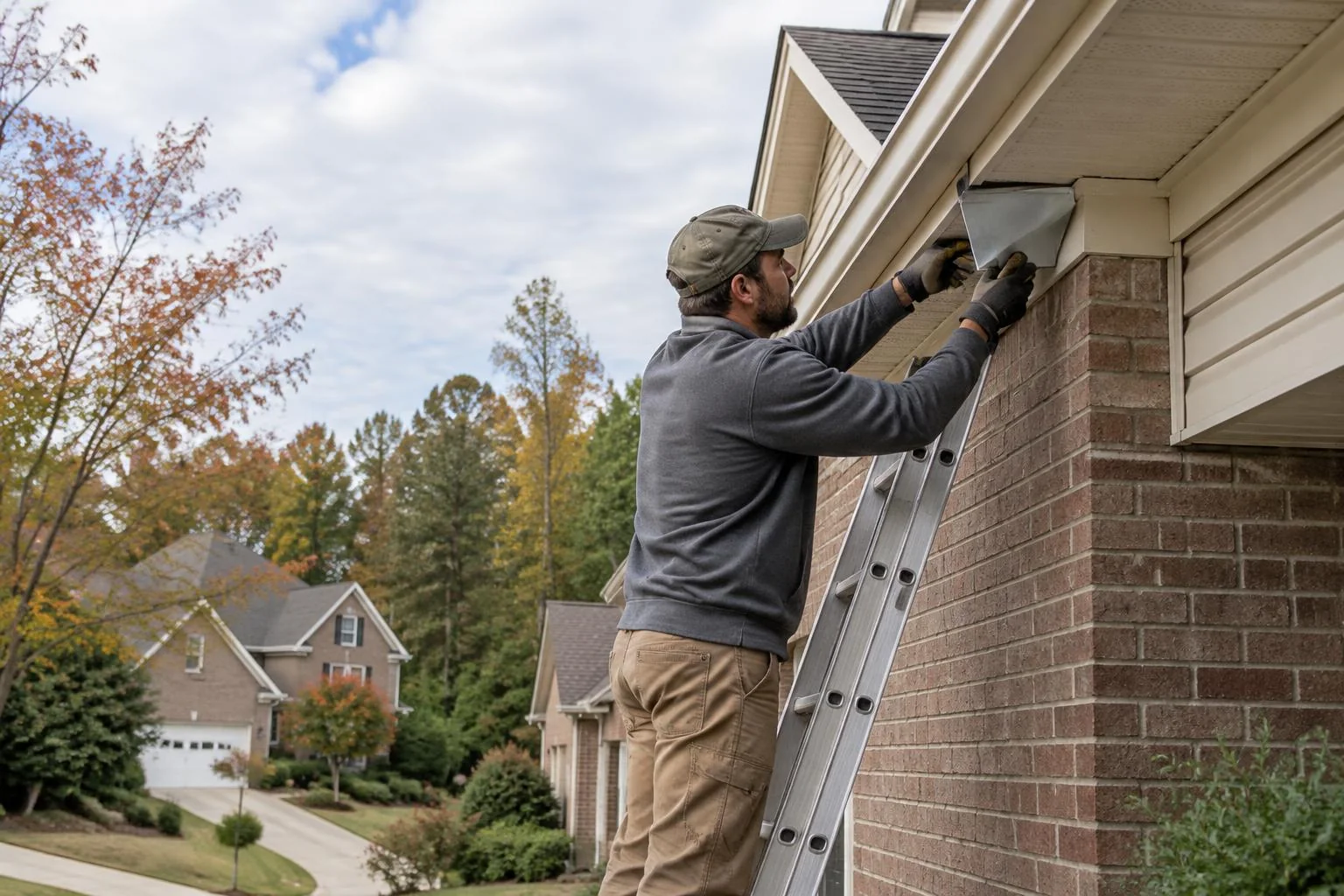
- Sealing entry points: openings are sealed with rodent-proof materials such as metal flashing, hardware cloth and sealants made for exclusion. Mice can squeeze through a gap about the size of a dime, and rats through one about the size of a quarter, so the details matter.
- Removal of rodents still inside: once the building is sealed, we remove the remaining rodents.
- Cleanup and remediation: anywhere rodents have been living gets cleaned, sanitized and restored (see the next section).
Contamination cleanup and remediation: the step most companies skip
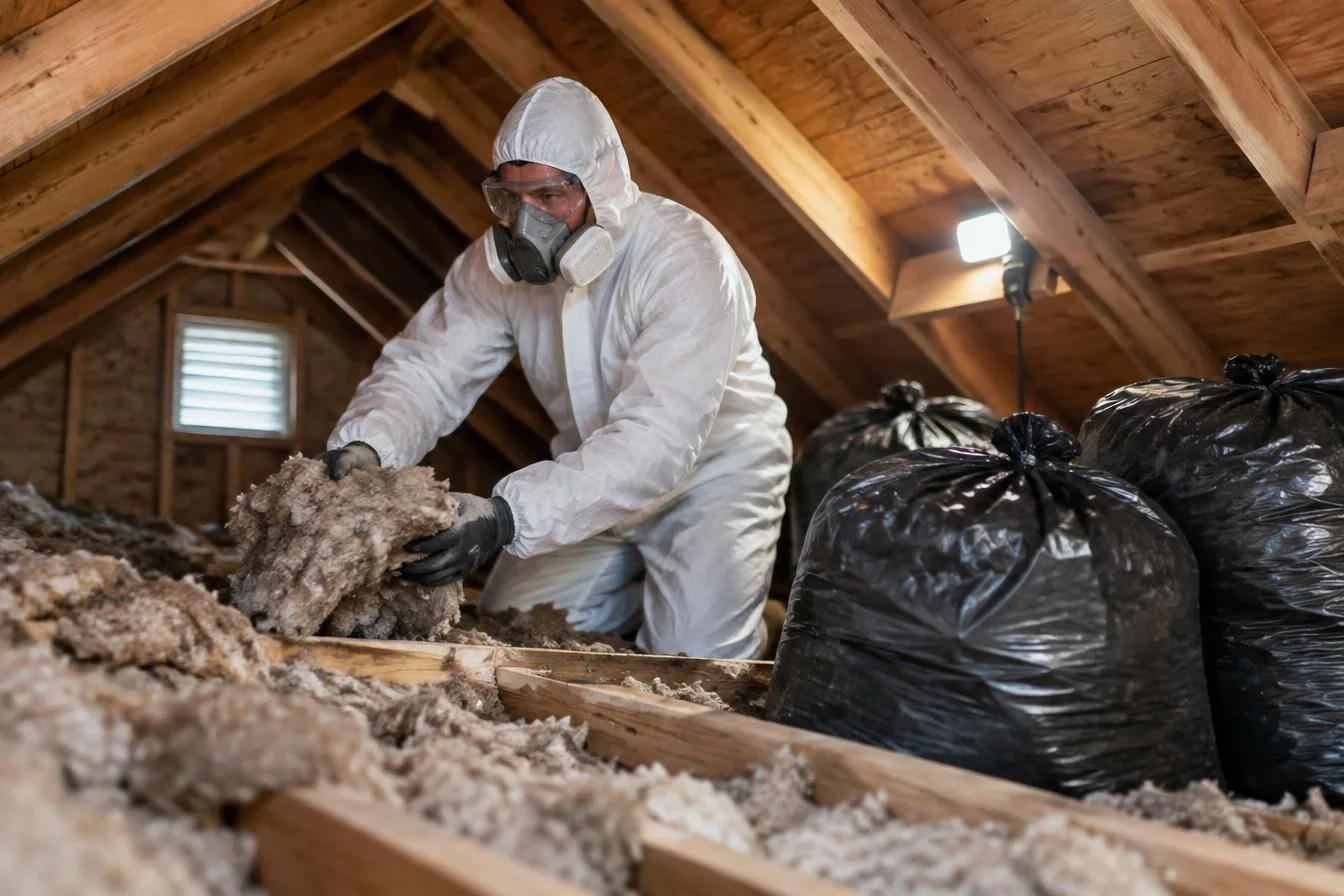
Sealing the building stops new rodents. It doesn't undo what the old ones left behind. Wherever rats and mice have been nesting and traveling, they leave droppings, urine, nesting material and odor, and those areas need to be properly cleaned before the job is done.
The CDC warns that rodent droppings, urine and nesting material can spread disease, and advises against sweeping or vacuuming droppings, which can stir particles into the air. That's why remediation is a job for trained crews with protective equipment, not a shop vac.
Where we clean and restore:
- Attics: removal of droppings, nests and contaminated insulation, sanitizing and deodorizing the attic, and new insulation blown in where it's needed. See Attic Restoration.
- Crawl spaces: removal of nesting material and droppings, replacement of torn or soiled vapor barrier, sanitizing, and repair of damaged ductwork insulation. See Crawlspace Restoration and Crawlspace Encapsulation.
- Basements and storage areas: cleanup of droppings and nesting along walls, utility areas and stored items, plus sanitizing of affected surfaces.
- Damage repair: chewed wiring is flagged for repair by a licensed electrician, and chewed wood, vents and ductwork are repaired. See Wildlife Damage Repair.
Skipping this step leaves odors that can attract new rodents and insects, and leaves contaminated insulation that no longer insulates. Exclusion plus remediation is what makes the problem truly finished.
Rodent exclusion for homes
For homeowners, the most common entry points are roof returns, gaps where the roofline meets the siding, gable and ridge vents, plumbing and AC line openings, dryer vents, and gaps around garage doors. Rodents in the attic can chew electrical wiring, which is a real fire risk, and they ruin insulation, which raises heating bills. Learn more about our Rodent Control and Wildlife Exclusion services.
Rodent exclusion for commercial properties
Rodents are just as big a problem for businesses, and the stakes are higher: failed health inspections, damaged inventory, chewed wiring and unhappy tenants or customers. We provide exclusion for commercial and multi-unit properties, including:
- Restaurants and food service
- Warehouses and storage buildings
- Offices and retail spaces
- Rental homes, apartments and property management portfolios
- Churches, schools and other facilities
Commercial exclusion focuses on loading doors, dock seals, roof penetrations, utility chases, drop ceilings and dumpster areas, the places rodents use to get in and move through a building.
The real cost of waiting
It's tempting to set a few traps and see if the problem goes away. In winter, it usually gets worse instead.
- More rodents: mice and rats breed quickly, and a single pair can produce several litters in a year. A small problem in November can be an established population by spring.
- More damage: rodents gnaw constantly. Every week they're inside is another week of chewed wiring, torn insulation, damaged ductwork and soiled storage.
- More contamination: droppings and urine build up in attics, crawl spaces and basements, which means more cleanup and more insulation or vapor barrier to replace later.
- Higher bills: insulation that's been flattened, tunneled through or soiled no longer insulates well, so your heating system works harder all winter.
- Bigger repairs: chewed wiring is a fire risk, and damage that's left alone tends to spread.
Sealing the building early is almost always less expensive than cleaning up after a long-term infestation.
What you can do today while you wait for your inspection
These steps won't solve a rodent problem on their own, but they make your home less inviting and help the professional fix last.
- Store pantry food, pet food and bird seed in sealed metal or hard plastic containers.
- Bring pet food bowls inside at night and clean up spilled seed under bird feeders.
- Keep garage doors closed, and don't leave exterior doors propped open.
- Trim tree limbs and shrubs back from the roofline and siding so roof rats can't use them as bridges.
- Move firewood, lumber and debris piles away from the house, and keep them off the ground.
- Fix dripping outdoor faucets and drain standing water around the foundation.
- Don't sweep or vacuum droppings. The CDC recommends wearing gloves and wetting droppings and nesting material with a disinfectant or a bleach solution before wiping them up, so particles don't get stirred into the air. For anything more than a small amount, leave it to a professional cleanup crew.
What rodent exclusion costs in West Georgia
Cost depends on the size of the building, how many entry points it has, roof height and pitch, and how much cleanup and remediation is needed in the attic, crawl space or basement. Most home exclusion projects range from $1,000 to $4,500, depending on the size of the home, roof slopes, roof height and the condition of the house. We give you a written quote after the inspection, so you know the price before any work starts. Financing is available for all projects.
Hiring a rodent exclusion company in Carrollton and West Georgia
We provide rodent exclusion and cleanup across Carroll, Coweta, Douglas, Haralson, Heard, Troup, Fayette and Paulding counties and the Atlanta metro. Whoever you hire, ask these questions before you sign anything:
- Will you inspect the whole building, from the foundation to the roofline, and show me every entry point you find?
- What materials will you use to seal the openings, and will they hold up to chewing?
- Is removal of the rodents still inside included, or priced separately?
- Will you clean up droppings and replace damaged insulation, or only seal and trap?
- Is the price in writing before work starts?
- Is your work guaranteed in writing?
A company that only sets traps solves this winter's problem. A company that seals, removes and cleans up solves it for good.
Why West Georgia trusts The Outdoors Group
- Serving West Georgia and metro Atlanta since 2009
- Licensed and insured
- Same-day inspections available
- Written guarantee on our work
- We seal, remove, clean up and restore, so you deal with one company from start to finish
Frequently asked questions
When is rodent season in Georgia?+
What's the difference between rodent exclusion and pest control?+
How small a hole can a mouse or rat fit through?+
How long does rodent exclusion take?+
Do you handle commercial buildings?+
Will you clean up droppings and damaged insulation?+
Can I clean up rodent droppings myself?+
Is rodent damage covered by homeowners insurance?+
What attracts rats and mice to my home?+
Do I need exclusion if I only saw one mouse?+
How much does rodent exclusion cost in Carrollton, GA?+
Do you offer rodent exclusion near me?+
Hearing something in the attic? Get a free inspection.
Rodents settle in fast once the weather turns cold. Call us at (770) 545-4388 or request a free inspection, and we'll find every entry point, check your attic, crawl space and basement for contamination, and show you exactly how to fix it for good.