
Expert Squirrel Removal in Atlanta & West Georgia
Fast, Professional Squirrel Removal & Attic Restoration—Guaranteed. Are squirrels keeping you up at night or causing costly damage in your Atlanta or West Georgia home? Don't risk fire hazards from chewed wiring or ruined insulation. Our licensed, insured team delivers same-day squirrel removal and full attic repair—so you can reclaim your home, fast.
Why Choose Us?
15+ Years Local Experience: We know Atlanta's neighborhoods and the unique challenges squirrels pose in Georgia's climate.
Comprehensive Service: From humane removal to permanent exclusion and full attic restoration—we handle every step.
Proven Results: 5.0 ★ from 164 Google Reviews. Trusted by homeowners throughout Atlanta and West Georgia.
No-Surprise Pricing: Free inspection and clear, upfront estimates—no hidden fees.
Understanding Squirrel Removal in Metro Atlanta
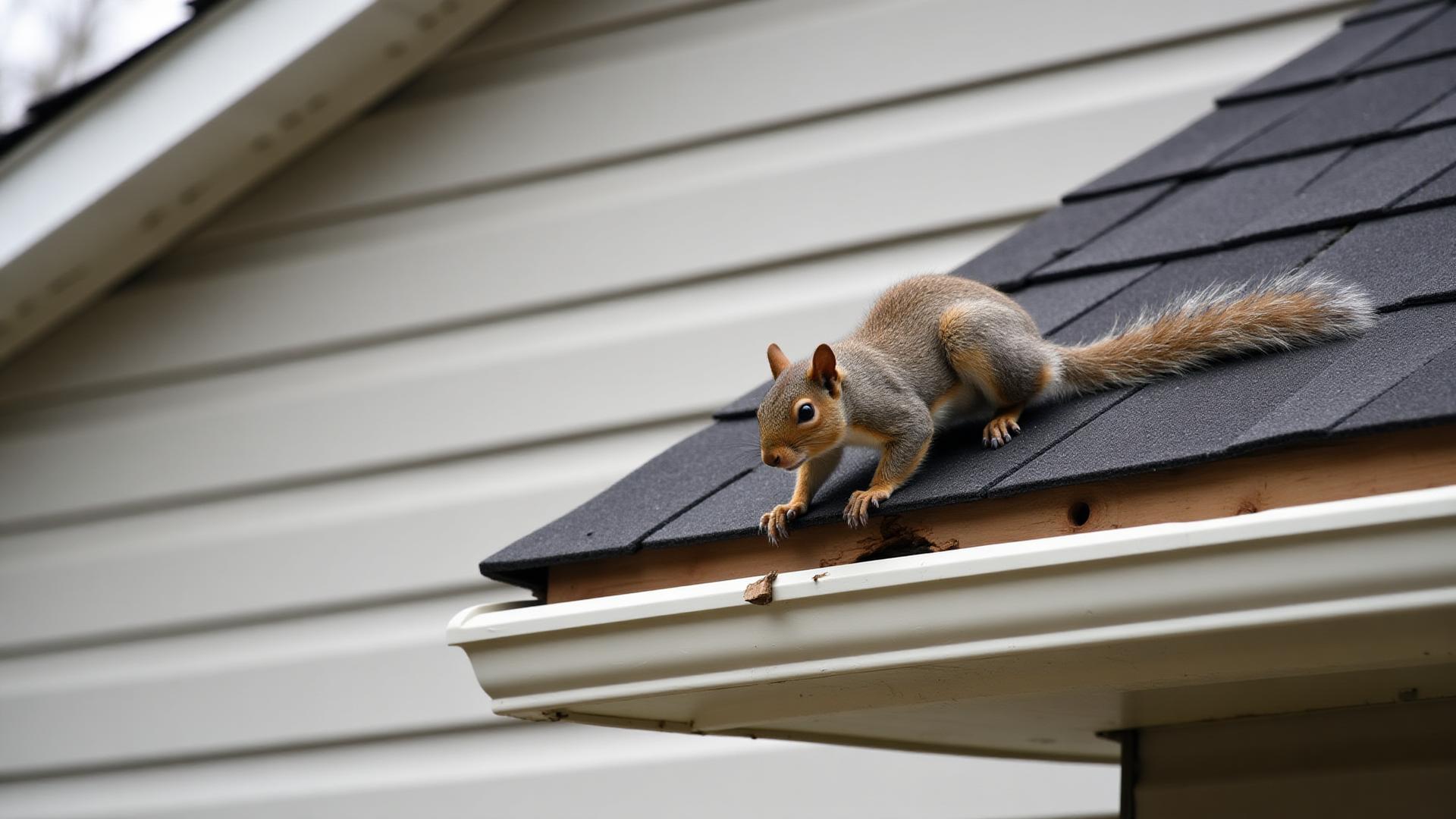
If you're hearing rapid scratching or scurrying overhead — especially in the early morning or late afternoon — there's a very good chance you have squirrels in your attic. In Metro Atlanta, we deal with two main species: the Eastern grey squirrel and the Southern flying squirrel. Grey squirrels are the daytime offenders — they're up at dawn chewing their way in through fascia boards, gable vents, and any soft spot they can find along your roofline. Flying squirrels are the ones keeping you up at night. They're nocturnal, they travel in colonies, and by the time most homeowners realize they have them, there are 10-20 living overhead.
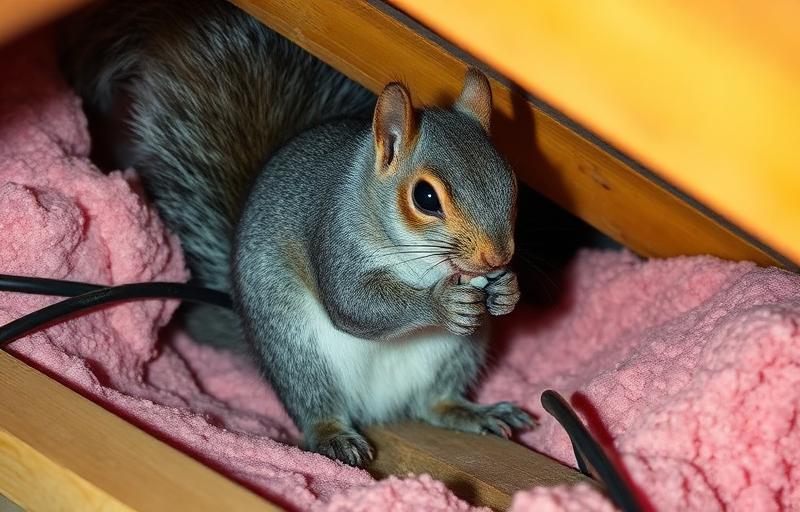
The most common species you'll encounter is the Eastern grey squirrel (Sciurus carolinensis), and they are everywhere in Georgia—especially in urban and suburban neighborhoods. These squirrels thrive on a diet heavy in oak acorns and hickory nuts, but they won't hesitate to raid bird feeders or stash food in your attic insulation if they're feeling resourceful. They're remarkably prolific: in a good year with abundant food, a female can raise two broods of 2–3 babies each, often picking attics packed with fluffy insulation as the perfect nursery.
Adult grey squirrels weigh in between 12 ounces and 1.5 pounds, and while their coats are mostly grey, you might spot subtle variations. They're highly active during daylight hours, especially in the early morning and late afternoon—so if you hear scratching or scurrying then, chances are a grey squirrel is responsible. The nuisance factor ramps up fast when they break into homes, sometimes even getting stuck in vacant houses and causing havoc.
Flying squirrels, on the other hand, are strictly night-shift workers. Not only are they nocturnal, but they're also colonial—if you suspect you have one, you probably have a dozen. Their colonies can reach upwards of 10–30 individuals, and they excel at squeezing through tiny entry points no wider than a quarter.
We got a call from a homeowner in Kennesaw who thought she had one squirrel in the attic. When we pulled back the insulation, we found over 30 flying squirrels had been living up there for months — the insulation was completely destroyed, the wiring was chewed in a dozen places, and there was a real fire risk. That's the thing about squirrels: they don't just move in and sit quietly. They chew constantly. Their teeth never stop growing, so they gnaw on wood, wiring, PVC pipes, and anything else they can find. Chewed electrical wiring is actually a leading cause of attic fires in Georgia homes, and most homeowners don't realize the danger until it's too late.
Squirrel activity peaks twice a year in Georgia — late winter (January–February) and again in late summer (August–September) when females are looking for safe nesting sites to have their young. If you're hearing noises during those windows, act fast. Once a squirrel has babies in your attic, removal becomes more complex and time-sensitive. We've been doing this for over 15 years, and the single biggest mistake we see homeowners make is waiting too long to call.
Do's & Don'ts
What To Do
Call a professional for an inspection as soon as you hear activity — squirrel problems escalate quickly
Check your attic for chewed wiring, especially near junction boxes and along rafters
Trim tree branches that overhang or touch your roof (6–8 feet clearance is ideal)
Note the time of day you hear activity — this helps us identify the species
What NOT To Do
Do NOT seal entry points while squirrels are still inside — you'll trap them in your walls
Do NOT use poison — it's inhumane, often illegal, and dead squirrels in your walls create a much bigger problem
Do NOT attempt DIY removal if babies may be present (January–March or August–October)
Do NOT ignore the problem — squirrel damage compounds rapidly, especially to wiring
Is This Happening in Your Home?
Rapid scratching or scurrying in walls or attic, especially mornings and evenings
Chew marks on wood trim, fascia, or around roof edges
Scattered nesting materials (leaves, insulation, bark) in attic
Visible squirrels entering your roof or gable vents
Flickering lights or electrical issues from chewed wiring
Dangers & Health Risks
Fire Hazard
Squirrels chew through electrical wiring, which is a leading cause of attic fires in Georgia homes.
Water Damage
Squirrel entry holes allow rainwater in, leading to mold, rot, and ceiling damage.
Insulation Destruction
Squirrels compress and contaminate attic insulation, reducing energy efficiency and air quality.
Disease & Contamination
Beyond the obvious property damage, squirrels—especially flying squirrels—can transmit diseases to humans. Their droppings accumulate in "latrine" areas of the attic, creating black, foul-smelling stains that can seep into walls and ceilings. Airborne contaminants from urine and feces pose respiratory risks, and the presence of parasites like fleas, mites, and ticks is not uncommon.
Structural Damage & Entry Points
Flying squirrels only need a tiny gap to get inside your home—sometimes as little as a quarter-inch. Once inside, they'll gnaw on wood, PVC, and even insulation wrap, compounding repair costs. These small, communal animals gather in groups, particularly in colder months, multiplying the mess and the risk.
Nighttime Activity & Noise
Unlike their daytime cousins, flying squirrels are nocturnal. Homeowners often lose sleep to the sound of rapid scurrying or scratching overhead as these shy creatures glide silently between nesting sites. The disturbance, especially at night, is a telltale sign you're not alone in the attic.
How We Solve Your Squirrel Removal Problem
Every situation is different, but our proven process ensures a permanent solution — not a temporary fix.
Full Roofline & Attic Inspection
We inspect every inch of your roofline, soffits, gable vents, and attic interior to locate all entry points and identify the species (grey squirrel vs. flying squirrel). We assess damage to wiring, insulation, and structural components.
One-Way Exclusion & Trapping
We install one-way exclusion doors at primary entry points so squirrels leave naturally but can't re-enter. For flying squirrel colonies, we may use targeted live trapping. No poisons, ever.
Full Seal-Out & Damage Repair
Once all squirrels are out, we permanently seal every entry point with galvanized metal and commercial-grade materials squirrels can't chew through. We repair all damage including wiring, insulation, and structural components.
Common in Metro Atlanta
In Metro Atlanta, Eastern grey squirrels and Southern flying squirrels are by far the most common attic invaders. Grey squirrels are active during the day — you'll hear them running and chewing in the early morning and late afternoon. Flying squirrels are nocturnal and colonial — if you have one, you probably have a dozen. Georgia's mild winters mean squirrels breed year-round, with peak nesting seasons in January–February and August–September. Homes in wooded neighborhoods like East Cobb, Roswell, Sandy Springs, and Peachtree City are especially vulnerable due to mature tree canopy that provides easy roof access.
Transparent Pricing, No Surprises
Most residential squirrel removal projects range from $500–$4,000+
Projects can range from $500 to over $4,000 depending on your home's size, roof slopes, roof condition, soffit and fascia, overall condition of the home, and any existing damage that should be repaired during the exclusion process. Every project includes a free inspection and detailed, itemized quote — no hidden fees.
Frequently Asked Questions
Get Your Free Squirrel Removal Inspection
Get Your Free Inspection