
Understanding Crawlspace Encapsulation in Dallas
Dallas and Paulding County homes benefit from encapsulation. We serve residential properties throughout the Dallas area.
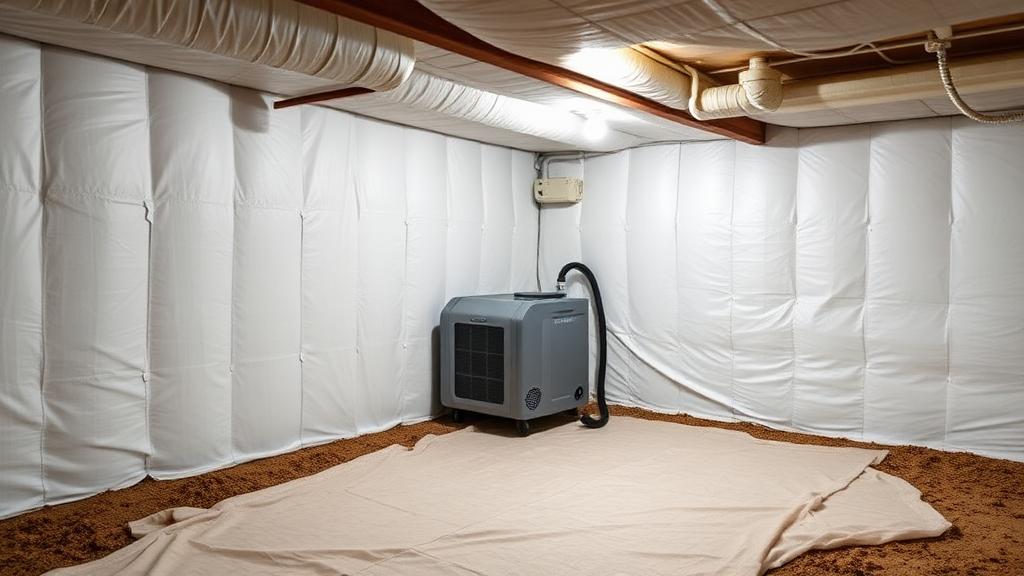
If you've been told you need crawlspace encapsulation, here's what that actually means and why it matters: encapsulation is the process of completely sealing your crawlspace from the outside environment — ground moisture, humid air, pests, and wildlife — using a heavy-duty vapor barrier system, sealed vents, wall insulation, and a commercial dehumidifier. It transforms your crawlspace from a damp, dirty, critter-friendly void into a clean, dry, conditioned space that actually improves your home's health and efficiency.
We started offering encapsulation because we kept seeing the same pattern: we'd restore a crawlspace after wildlife damage, and 6-12 months later the homeowner would call back with new animal activity or moisture problems. A standard vented crawlspace in Georgia is basically an open invitation — the vents let in humid air that condenses on cool surfaces, creating the perfect environment for mold and wood rot. The open design also provides easy access for rodents, snakes, and other wildlife. Encapsulation solves both problems permanently. We encapsulated a crawlspace in Newnan two years ago after a rat infestation, and the homeowner recently told us it was the single best investment she's made in the house. Her energy bills dropped 20%, the musty smell is gone, and she hasn't had a single pest issue since.
The return on investment for encapsulation is real and measurable. Most homeowners see a 15-25% reduction in heating and cooling costs because the sealed, insulated crawlspace eliminates the massive thermal loss that happens through a standard vented crawlspace. Georgia's humidity — which averages 70%+ in summer — is no longer condensing under your house, so you eliminate mold risk and the wood rot that comes with chronic moisture. And because the space is completely sealed, wildlife and insects can't get in. It's prevention and performance in one project.
What To Do Right Now
Do This
- Have your crawlspace inspected for moisture levels, mold, and structural condition before deciding on encapsulation
- Address any existing water intrusion or drainage issues before encapsulation — water management comes first
- Choose a 20-mil reinforced vapor barrier — cheaper barriers tear easily and don't last
- Insist on a commercial-grade dehumidifier — it's essential for maintaining proper humidity in a sealed crawlspace
Don't Do This
- Do NOT encapsulate over existing contamination — all animal waste, mold, and damaged materials must be removed first
- Do NOT skip the dehumidifier — a sealed crawlspace without humidity control can create worse moisture problems than an open one
- Do NOT use 6-mil plastic as your vapor barrier — it's too thin and will deteriorate within a few years
- Do NOT ignore standing water issues — encapsulation requires proper drainage (interior drain or sump pump) if water is present
Is This Happening in Your Dallas Home?
Musty or moldy odors throughout your home
High humidity causing condensation on windows
Standing water or excessive moisture in crawlspace
Mold or mildew on floor joists or subflooring
Recurring pest or wildlife intrusions through the crawlspace
Cold floors in winter and high energy bills
Crawlspace encapsulation on Dallas residential properties
Dangers & Health Risks
Mold & Air Quality
Open crawlspaces are the #1 source of mold in homes. Spores travel through your HVAC system.
Structural Wood Rot
Chronic moisture causes floor joists and subflooring to rot, leading to structural failure.
Pest & Wildlife Entry
Unsealed crawlspaces are an open invitation for rodents, snakes, insects, and wildlife.
Energy Waste
An unsealed crawlspace can increase heating and cooling costs by 15–25%.
How We Solve Your Crawlspace Encapsulation Problem
Every situation is different, but our proven process ensures a permanent solution — not a temporary fix.
Moisture & Structural Assessment
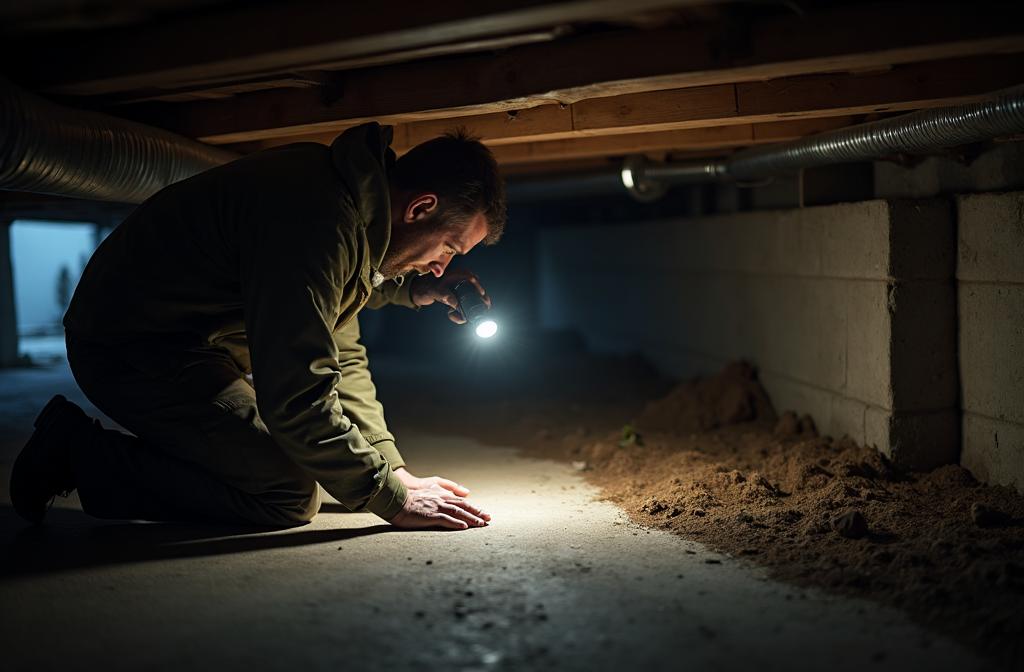
We measure humidity levels, check for standing water, inspect structural components for rot or damage, and assess whether drainage work is needed before encapsulation. Complete report with photos provided.
Prep, Drainage & Cleanup
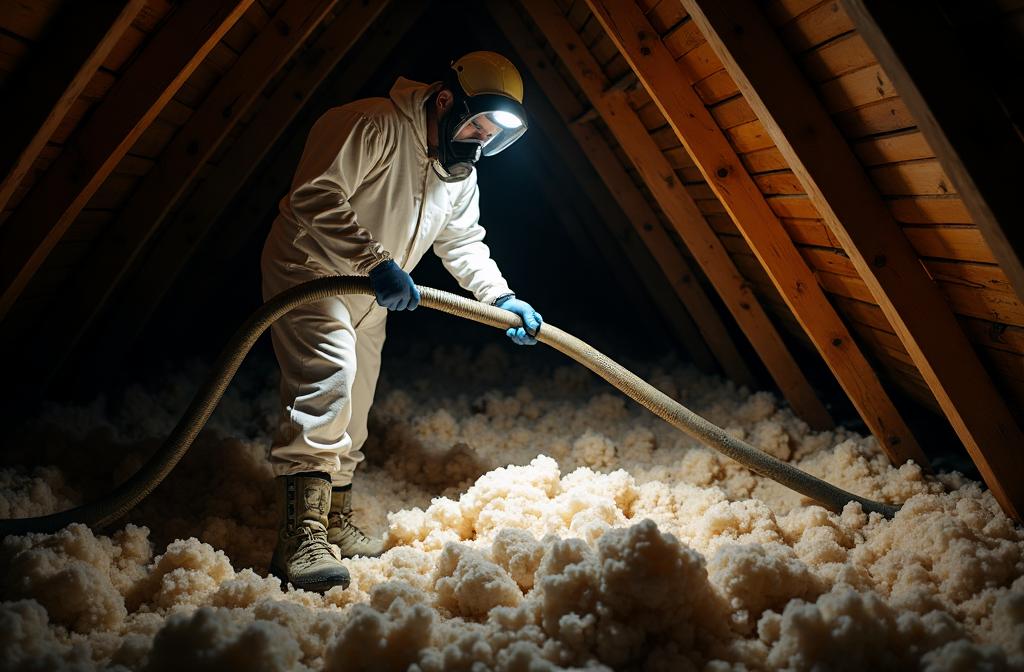
If needed, we install interior drainage and a sump pump. We remove all debris, old vapor barrier, contaminated insulation, and animal waste. Surfaces are sanitized and prepped for encapsulation.
Full Encapsulation System
We install a 20-mil reinforced vapor barrier on the floor and walls, seal all vents and openings with animal-resistant materials, insulate the crawlspace walls, install a commercial dehumidifier, and set up drainage if needed. The result is a clean, dry, conditioned space.
Common in Dallas & Paulding County
Georgia's climate makes crawlspace encapsulation particularly valuable. Summer humidity regularly exceeds 70%, and that moisture enters vented crawlspaces freely — condensing on cool surfaces, feeding mold, and rotting structural wood. Metro Atlanta homes with vented crawlspaces are especially vulnerable in low-lying areas of Douglas, Paulding, Coweta, and Henry counties. The Georgia Energy Code now recognizes sealed crawlspaces as superior to vented designs for moisture management and energy efficiency. Encapsulation is increasingly common in new construction and is one of the highest-ROI home improvements available in our climate.
Silver Comet Trail, Paulding Forest Wildlife Management Area, numerous creeks, and vast undeveloped woodland that is rapidly being cleared for development. New subdivisions bordering Paulding Forest see heavy predator activity including coyotes. Displaced raccoons and squirrels move directly into new construction. Bat colonies establish in homes near remaining tree lines.
Transparent Pricing, No Surprises
Most residential crawlspace encapsulation projects in Dallas range from $2,500–$15,000+
Projects can range from $2,500 to over $15,000+ depending on crawlspace size, accessibility, whether drainage or structural work is needed, and the scope of cleanup required. Standard encapsulation is typically considered a home improvement (not insurance-covered), but wildlife or water damage components may be claimable. Free inspection and detailed quote included.
What Dallas Customers Say
"Coyotes were getting too close to our kids and pets in our Dallas neighborhood near the forest. The Outdoors Group set up a trapping program and we haven't seen them since."
Chris M. — Dallas, GA
Crawlspace Encapsulation FAQ — Dallas, GA
Crawlspace Encapsulation in Nearby Cities
Other Services in Dallas
- Bat Removal in Dallas →
- Raccoon Removal in Dallas →
- Squirrel Removal in Dallas →
- Rodent Control in Dallas →
- Bird Removal in Dallas →
- Beaver Removal in Dallas →
- Predator Removal in Dallas →
- Wildlife Damage Repair in Dallas →
- Roof Replacement in Dallas →
- Seamless Gutter Replacement in Dallas →
- Crawlspace Restoration in Dallas →
Get Your Free Crawlspace Encapsulation Inspection in Dallas
Get Your Free Inspection