
Raccoon Damage to Your Roof: What It Looks Like and What to Do
February 19, 2026
A homeowner in Smyrna woke up one April morning to find a two-foot section of her soffit hanging from the roofline. Shredded wood and torn aluminum littered the ground below. From inside the house, she could hear heavy thumping and chirping sounds coming from the attic directly above her bedroom. A mother raccoon had torn through the soffit overnight, climbed into the attic, and was setting up a den to have her babies.
When our technician arrived, the damage was extensive — not just at the entry point but throughout the attic. The raccoon had apparently been accessing the attic through a smaller gap for several weeks before tearing open the soffit to create a larger, more comfortable entrance. Inside the attic, she'd flattened about 300 square feet of blown-in insulation, torn a section of HVAC ductwork loose from the plenum, and established a latrine site in the corner with several pounds of droppings.
Three days after we arrived, she gave birth to four kits in the attic. This complicated the removal significantly — but it's a complication we handle regularly across Metro Atlanta, where raccoon-in-attic calls peak every spring between March and May.
Understanding Raccoon Behavior in Metro Atlanta
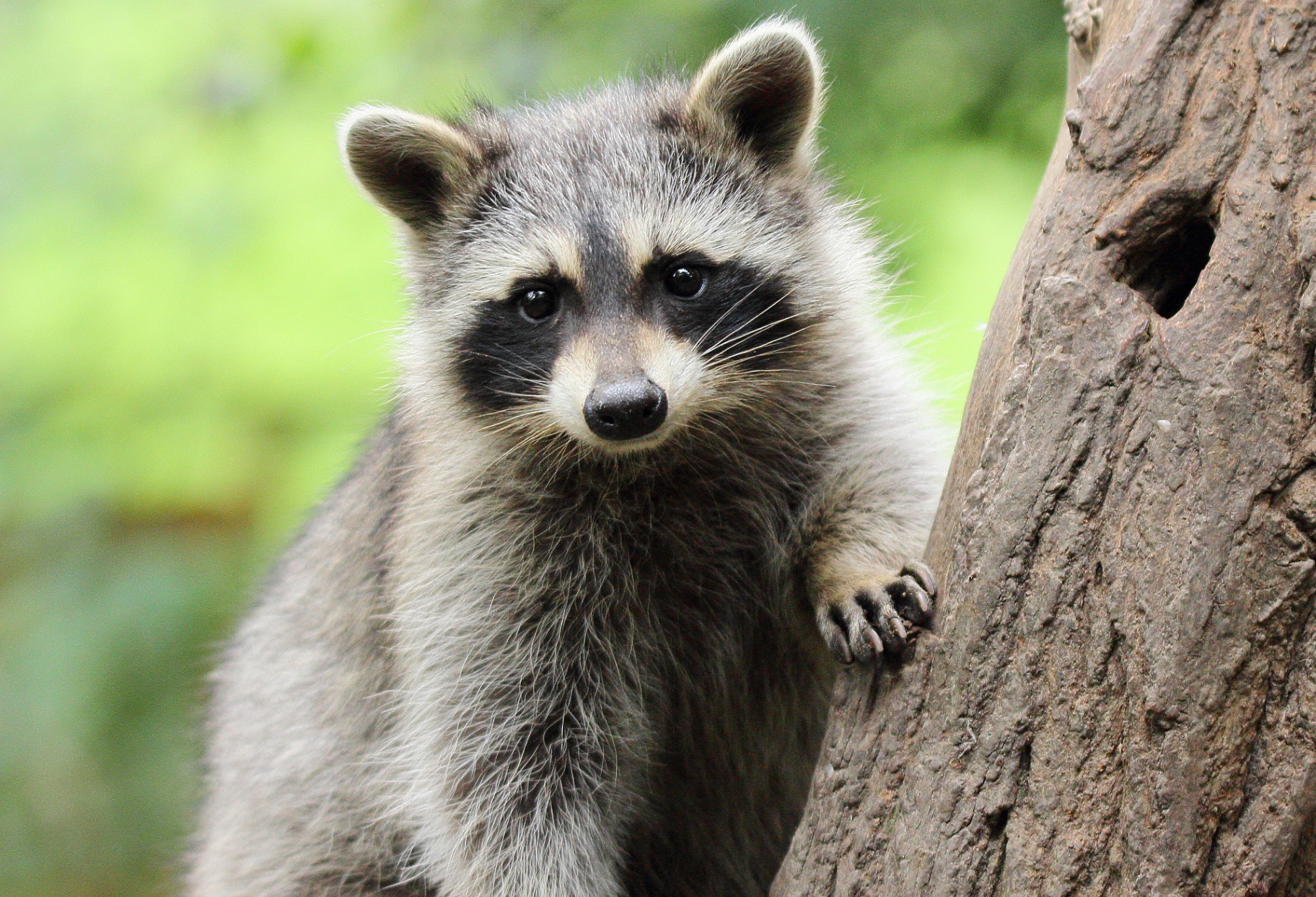
Raccoons are remarkably intelligent, adaptable, and strong. An adult raccoon weighs 15–40 pounds and has dexterous front paws that function almost like hands. They can grip, pull, twist, and tear with surprising force. Unlike squirrels, which chew their way in, raccoons use brute strength to create entry points.
Breeding season runs from January through March, with most births occurring in April and May. Pregnant females seek out elevated den sites — and your attic is the most attractive option.
Den site loyalty is strong. A female raccoon that successfully raises a litter in your attic will return the following year. Without proper exclusion, one raccoon becomes a generational problem.
What Raccoon Roof Damage Looks Like
Torn or displaced soffit panels. Raccoons pry soffit boards away from the fascia, often tearing them completely off. The resulting openings are large — typically 6–12 inches across.
Ripped-back shingles and damaged decking. Raccoons can peel back shingles and tear through the underlying roof decking.
Bent or crushed gutters. Adult raccoons climb gutters to reach the roofline. Their weight bends gutter runs and pulls gutter hangers loose.
Damaged roof vents and turbines. Raccoons break through plastic roof vents and twist aluminum turbines.
Chimney and flashing damage. Raccoons access attics by pulling up deteriorated flashing at chimney-to-roof junctions.
The Water Damage Cascade
Every hole in your roof is an entry point for water. Raccoon damage creates large openings that admit significant water during Georgia's frequent rainstorms — and the consequences cascade rapidly:
- Immediate water intrusion. Rainwater enters through the raccoon-created opening and saturates attic insulation.
- Ceiling damage. Water migrates through insulation to the drywall ceiling below. You'll see brown stains, bubbling paint, and eventually sagging or collapsed drywall sections.
- Mold growth. Wet insulation and wet wood begin growing mold within 24–48 hours in Georgia's warm, humid climate.
- Structural wood rot. Sustained moisture causes rafters, joists, and sheathing to rot.
- Secondary wildlife entry. An open hole attracts additional animals.
The Smyrna homeowner's raccoon entry had been admitting water for several weeks before the soffit was torn open. The water damage added $2,800 to the total project cost.
Raccoon Removal: The Reunion Technique
When baby raccoons are present — which is the case in most spring raccoon calls — removal requires a specialized approach. We use the reunion method:
- Baby removal. Our technician carefully removes the babies from the attic and places them in a heated, ventilated box at the base of the home near the original entry point.
- Mother exclusion. We install a one-way exclusion device at the entry point so the mother can exit but not re-enter.
- Reunion. When the mother exits and finds her babies in the box, her instinct drives her to pick them up one at a time and carry them to an alternative den site.
- Monitoring. We monitor for 24–48 hours to confirm the mother has collected all babies and relocated.
This technique is humane, effective, and avoids the common problems of trapping-only approaches.
Complete Roof Repair: How We Fix Raccoon Damage
At The Outdoors Group, we handle every aspect of raccoon roof damage in-house. Our crew includes experienced roofers, carpenters, and wildlife technicians — no subcontractors:
Soffit and fascia repair or replacement. Matched to your home's existing style. All joints are sealed with animal-proof materials.
Roof decking and shingle repair. Damaged decking is cut out and replaced. New underlayment and shingles are installed, properly integrated with the surrounding roof.
Gutter repair or replacement. Bent, crushed, or detached gutters are repaired or replaced.
Vent replacement. Damaged plastic vents are replaced with animal-proof metal vents.
Flashing and drip edge. Deteriorated flashing is replaced. Drip edge is installed or repaired.
Attic Restoration After Raccoons
Raccoons are the most destructive attic invader when it comes to insulation and air quality. Their damage typically requires full attic restoration:
- Insulation removal and replacement. Raccoon-contaminated insulation must be completely removed due to Baylisascaris roundworm risk.
- Latrine sanitization. Raccoon latrines require specialized treatment.
- Ductwork repair. Torn or disconnected HVAC ducts are repaired or replaced.
- Odor elimination. Professional deodorization treatments eliminate the musky raccoon odor.
Cost of Raccoon Removal and Roof Repair
- Raccoon removal and basic exclusion: $400–$800
- Soffit/fascia repair + exclusion: $800–$2,000
- Roof decking/shingle repair: $500–$2,500
- Full attic restoration (insulation + sanitization): $1,500–$4,000
- Complete project (removal + roof repair + attic restoration): $2,000–$6,000+
The Smyrna homeowner's total project came to $4,200. Her insurance covered $2,800 of that as structural and water damage repair.
Don't Wait: Raccoon Damage Gets Worse Fast
If you see signs of raccoon activity on your roof — torn soffits, damaged vents, paw prints on gutters — call immediately. The Outdoors Group provides free inspections across Metro Atlanta and West Georgia. We handle everything — raccoon removal, roof repair, attic restoration, and permanent exclusion — with our own in-house crew. Every job is backed by our 100% written guarantee.
Call (770) 545-4388 today or schedule your free inspection online.