
Bat in Attic: What to Do When You Hear Scratching Overhead
Bat in Attic: What to Do When You Hear Scratching Overhead
You're lying in bed at 2 AM when you hear it — scratching, scurrying sounds coming from your attic. Maybe you've spotted a single bat flying around your living room, or worse, discovered small dark pellets scattered across your attic floor. When you have a bat in attic spaces, your first instinct might be to grab a broom and start swinging, but that's exactly what you shouldn't do.
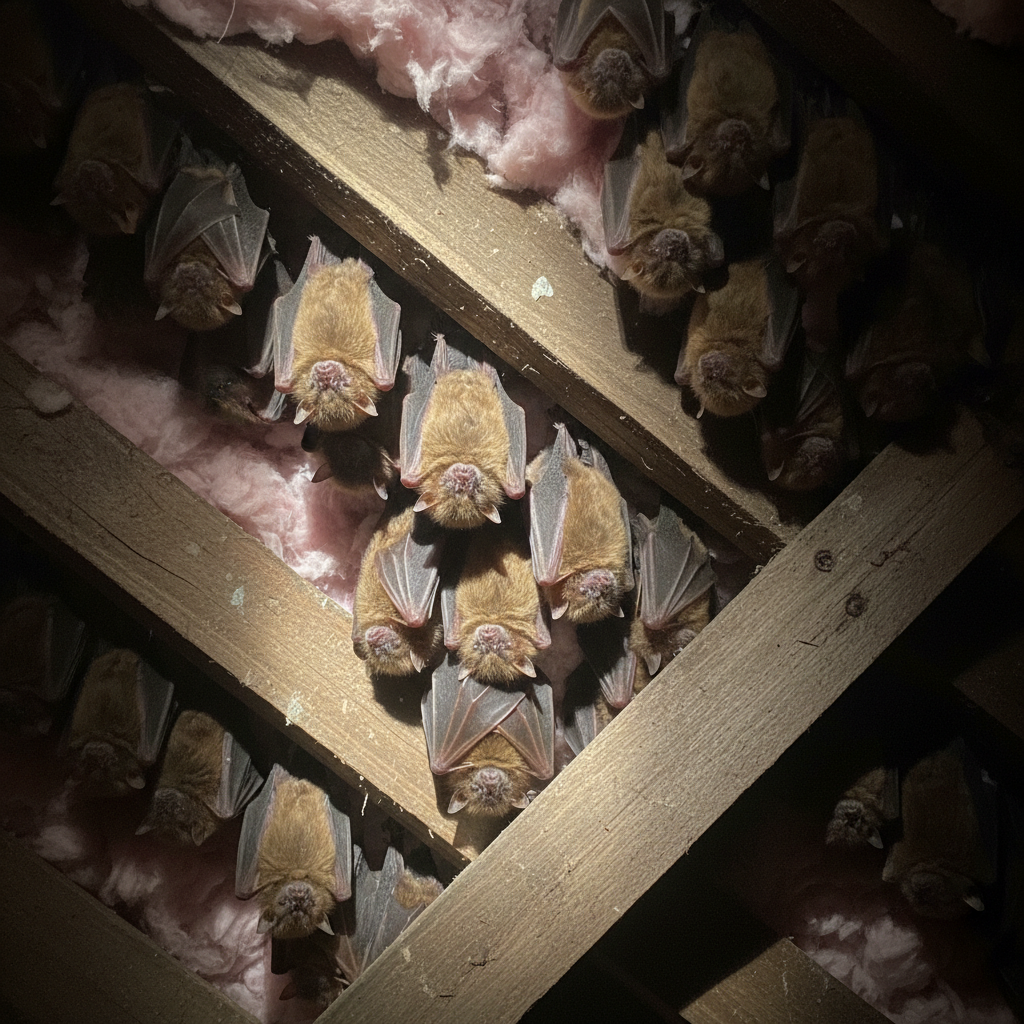
I've been removing bats from Georgia homes since 2009, and I can tell you that finding bats in your attic is more common than most homeowners realize. Georgia's warm climate and abundant insect population make our state perfect habitat for bats, and your attic provides the dark, quiet space they need for roosting. The scratching you're hearing could be a single bat that got lost, or it might indicate a much larger problem — an entire colony that's moved in for the season.
Before you do anything, you need to understand that all bat species in Georgia are protected by state law. The Georgia Department of Natural Resources prohibits harming bats, and there are strict seasonal restrictions on when bat exclusion can be performed. Getting this wrong could land you in legal trouble and put both you and the bats at risk.
Understanding Why Bats Choose Your Attic
Bats don't just randomly decide to move into your attic — they're looking for specific conditions that your home might be providing perfectly. During my years of wildlife control work, I've learned that bats are incredibly selective about their roosting sites, and when they find a good one, they'll return year after year.
Your attic offers everything bats need: consistent temperature, protection from predators, and multiple entry points they can squeeze through. I've found bat colonies in attics where the only entry point was a gap smaller than a quarter-inch wide. These animals are remarkably flexible and can fit through openings that seem impossible for their size.
In Georgia, female bats typically begin scouting for maternity roosts in February and March. They're not just looking for any shelter — they need a warm, stable environment where they can safely raise their pups. Your attic, with its insulation and protection from weather, becomes prime real estate. I've removed colonies from attics where the temperature stays consistently around 80-90 degrees, which is exactly what nursing female bats require.
The sound you're hearing depends on the species and the size of the colony. Little brown bats, one of Georgia's most common attic-dwelling species, create a chittering, scratching sound as they move across wooden surfaces. Big brown bats make heavier footfalls and more pronounced scratching. If you're hearing activity every evening around sunset, that's a strong indicator you're dealing with an established attic bat colony rather than a lost individual.
Location matters too. Bats prefer attic spaces near the roof peak where heat rises naturally. They'll often cluster in corners or along roof lines where structural elements create the perfect microclimate. During one memorable job in Douglasville, I found over 200 bats roosting in a single corner where two roof lines met, creating a pocket of warm, still air that stayed consistently heated throughout the day.
Identifying Signs of a Bat Problem
Recognizing the difference between a single lost bat and an established colony is crucial for determining your next steps. As someone who's inspected hundreds of Georgia attics, I can tell you the signs are usually obvious once you know what to look for.
Bat droppings, called guano, are often the first indicator homeowners notice. Unlike rodent droppings, bat guano crumbles easily when touched and contains visible insect parts — you can actually see fragments of wings and legs if you look closely. The droppings accumulate in specific areas directly below roosting spots, creating distinctive piles that grow larger over time.
The smell is another dead giveaway. A single bat won't produce much odor, but a colony creates a distinctive ammonia-like smell from accumulated urine and guano. This odor becomes stronger during warm weather and can eventually permeate through ceiling spaces into living areas. I've walked into homes where the smell hits you immediately upon entering — that's usually a sign of a large, established colony.
Staining on exterior walls provides another clue. Bats leave dark, oily marks around entry points from the oils in their fur. These stains appear as dark smudges around gaps in soffits, fascia boards, or where different building materials meet. After years of bats using the same entry point, these stains become quite pronounced.
Sound patterns tell you a lot about what you're dealing with. A single lost bat might fly around frantically for a night or two before finding its way out. An established colony shows predictable activity patterns — quiet during the day, increasing activity around sunset as they prepare to leave for feeding, and return activity a few hours after dark.
Visual confirmation requires careful inspection. I always recommend homeowners observe their roofline around dusk without getting too close. Bats typically exit from the same spots night after night, so you'll see them emerging from specific areas. Count how many you see — if it's more than three or four, you're likely dealing with a colony that requires professional bat exclusion services.
Legal Restrictions and Timing in Georgia
This is where many homeowners get themselves into trouble. Georgia law strictly protects all bat species, and there are specific windows when bat removal and exclusion work can legally be performed. Understanding these restrictions isn't just important — it's legally required.
The Georgia Department of Natural Resources prohibits any bat exclusion work between May 1st and August 15th. This restriction exists because female bats give birth to pups during this period, and the young can't fly until they're about six to eight weeks old. Excluding adult bats during maternity season traps flightless pups inside, causing them to die of starvation — something that's both illegal and ethically problematic.
I learned this lesson early in my career when a homeowner insisted on immediate exclusion work in June. After explaining the legal restrictions, we had to wait until mid-August to begin the process. The homeowner was frustrated, but Georgia DNR takes these restrictions seriously. Violations can result in significant fines and legal consequences.
The legal exclusion window typically runs from mid-August through the end of April, but timing within this window matters. Late summer and early fall represent the ideal time for bat exclusion because young bats are capable of flight, but the colony hasn't yet entered hibernation mode. I prefer scheduling exclusion work in September and October when possible.
Winter exclusion presents its own challenges. Bats enter a state called torpor during cold weather, becoming less active and potentially unable to find alternative roosting sites. While not illegal, winter exclusion can stress bats when they're already dealing with scarce food sources and harsh weather conditions.
Spring exclusion must be completed before females begin establishing maternity colonies, typically by late April in Georgia. This narrow window between when bats emerge from winter torpor and when maternity season begins requires careful timing and professional assessment.
Safe Removal and Exclusion Methods
Professional bat exclusion involves a systematic approach that allows bats to leave naturally while preventing their return. This isn't a job for weekend warriors — it requires specialized knowledge of bat behavior, proper equipment, and understanding of building construction.
The process begins with a thorough inspection to identify all entry points. Bats don't just use one entrance — they typically have multiple routes in and out of attic spaces. During a recent job in Villa Rica, I found seven different entry points on a single home, ranging from gaps in soffit panels to spaces where the chimney met the roofline. Missing even one entry point means the exclusion will fail.
One-way exclusion devices form the heart of professional bat removal. These devices allow bats to exit but prevent re-entry. I use various types depending on the entry point: bat cones for larger openings, exclusion netting for linear gaps, and specialized door systems for complex entry points. The key is ensuring bats can exit safely without becoming trapped or injured.
Sealing work must be permanent and comprehensive. After confirming all bats have exited (typically requiring several days of monitoring), every potential entry point gets sealed with appropriate materials. This includes metal flashing, hardware cloth, caulking, and sometimes structural repairs. The materials must be durable enough to withstand weather and prevent other wildlife from creating new entry points.
Attic cleanup represents a crucial final step that many homeowners overlook. Bat guano and urine can contain harmful pathogens, including histoplasmosis spores that become airborne when disturbed. Professional cleanup involves removing contaminated insulation, sanitizing surfaces, and installing new insulation. This work requires proper respiratory protection and specialized equipment.
Monitoring ensures the exclusion was successful. I always schedule follow-up inspections to confirm no bats remain and no new entry points have developed. Bats are persistent and will test exclusion work, so ongoing vigilance is important during the first season after exclusion.
Health Risks and Cleanup Considerations
The health implications of bats in attic spaces extend far beyond the initial wildlife problem. Accumulated bat guano creates serious health risks that persist long after the bats are gone, making proper cleanup and remediation essential.
Histoplasmosis represents the primary concern with bat guano exposure. This fungal infection develops when people inhale spores from dried bat droppings, and it can cause serious respiratory illness. I've seen homeowners develop persistent coughs, fever, and fatigue after disturbing bat guano during DIY cleanup attempts. The spores become airborne easily, spreading throughout the house through HVAC systems.
Rabies, while rare in bats, remains a serious consideration. Less than half of one percent of bats carry rabies, but the consequences of exposure are severe. Any direct contact with a bat — especially in living spaces — requires immediate medical consultation. I always advise homeowners to capture any bat found in living areas for rabies testing, using proper protective equipment.
Structural damage from accumulated guano and urine often surprises homeowners. Bat waste is acidic and can corrode metal fixtures, stain wood, and create persistent odors that permeate building materials. During a job in Bowdon, I found bat urine had completely saturated ceiling joists, requiring structural repairs beyond just wildlife removal.
Insulation contamination is nearly universal in homes with established bat colonies. Bat urine soaks into insulation, creating permanent odors and reducing thermal efficiency. The contaminated insulation must be completely removed and replaced — partial cleanup doesn't eliminate odors or health risks.
Proper cleanup requires specialized equipment and procedures. Professional-grade respirators, protective clothing, and HEPA filtration systems are necessary for safe guano removal. The cleanup process involves containing the work area, removing contaminated materials, sanitizing all surfaces, and installing new insulation. This isn't work for homeowners with standard household cleaning supplies.
Prevention strategies help avoid future problems. Regular attic inspections, prompt repair of roof damage, and sealing potential entry points before bats discover them are far more cost-effective than dealing with established colonies. I recommend annual roof and soffit inspections, especially for homes that have previously had bat problems.
Prevention and Long-Term Solutions
Preventing future bat problems requires understanding how these animals select roosting sites and eliminating the conditions that make your home attractive to them. After years of wildlife control work, I've learned that proactive prevention is always more effective and less expensive than reactive exclusion.
Regular building maintenance forms the foundation of bat prevention. Bats exploit even tiny gaps in building materials, so keeping your home's exterior sealed is crucial. I recommend annual inspections of soffits, fascia boards, roof lines, and areas where different materials meet. Pay special attention to areas around chimneys, vents, and architectural features that create natural entry points.
Ventilation modifications can make attics less attractive to bats. While you can't eliminate attic heat entirely, improving ventilation reduces the consistent high temperatures that female bats seek for maternity sites. Ridge vents, soffit ventilation, and powered exhaust fans help maintain more variable temperatures that are less suitable for roosting.
Lighting considerations play a role in prevention. Bats are attracted to insects, and insects are attracted to lights. Exterior lighting that draws insects close to potential entry points inadvertently creates feeding opportunities that make your home more attractive. Motion-activated lights or sodium vapor bulbs that attract fewer insects can help reduce this draw.
Landscaping decisions affect local bat populations. While bats provide valuable insect control, you can influence where they choose to roost. Removing dead trees close to your home eliminates natural roosting sites that might serve as stepping stones to your attic. However, maintaining some natural habitat at a distance from your home helps ensure bats have alternative roosting options.
Professional prevention assessments can identify vulnerabilities before they become problems. During routine inspections, I look for early warning signs: small gaps that could enlarge, aging materials that might fail, and structural changes that could create new entry points. Addressing these issues proactively prevents the much larger expense of dealing with established colonies.
Seasonal timing matters for prevention work too. Late fall and early winter represent ideal times for sealing potential entry points, as bats are less likely to be actively seeking new roosting sites. Spring prevention work must be completed early enough to avoid interfering with maternity season restrictions.
Frequently Asked Questions
Can I remove bats from my attic myself?
While technically possible, DIY bat removal is strongly discouraged and potentially illegal in Georgia. All bat species are protected, and improper removal methods can harm both you and the bats. Professional exclusion ensures compliance with state regulations and uses methods that don't harm the animals. Additionally, the health risks from guano exposure and the complexity of identifying all entry points make this work better suited for trained professionals.
How do I know if I have one bat or a whole colony?
Single bats typically create irregular activity patterns — flying around erratically for a night or two before finding their way out. Colonies show predictable behavior: quiet during the day, coordinated exit activity around sunset, and return activity after dark. Large accumulations of guano, strong ammonia odors, and multiple bats visible during evening emergence indicate colony presence. The sound patterns also differ — colonies create more consistent, localized scratching in specific attic areas.
What should I do if I find a bat in my living space?
Don't panic, but take it seriously. Open windows and doors to give the bat an exit route, then leave the area. Never try to catch a bat with your bare hands. If the bat doesn't leave on its own within a few hours, contact a wildlife professional for safe removal. Any bat found in bedrooms or areas where people sleep should be captured for rabies testing, as exposure might have occurred without obvious contact. This is especially important if children, elderly people, or pets were present.
When is the best time to have bats excluded from my attic?
In Georgia, the ideal window is late August through early April, avoiding the May 1st through August 15th maternity season restriction. September and October offer the best conditions because young bats can fly but haven't entered winter torpor yet. Early spring exclusion must be completed by late April before females establish new maternity colonies. Winter work is legal but potentially stressful for bats when food sources are scarce.
How much damage can bats cause in an attic?
Bat damage accumulates over time and can be extensive. Guano and urine contaminate insulation, create persistent odors, and can corrode metal fixtures. Large colonies produce surprising amounts of waste — I've removed truck loads of contaminated insulation from heavily affected attics. The acidic nature of bat waste can stain wood and compromise structural materials. Beyond physical damage, health risks from histoplasmosis spores in dried guano can affect your family's wellbeing long after the bats are gone.
Taking Action on Your Bat Problem
Discovering bats in your attic isn't something you should ignore or attempt to handle yourself. These protected animals require specific expertise for safe, legal removal, and the health risks associated with bat guano make proper cleanup essential for your family's safety.
The most important thing to remember is timing. If you're reading this between May 1st and August 15th, you'll need to wait for the maternity season restriction to end before exclusion work can begin. Use this time to document the problem, identify entry points from a safe distance, and plan for professional intervention once the restriction lifts.
Don't let frustration drive you to take matters into your own hands. Proper bat exclusion requires understanding animal behavior, construction techniques, safety protocols, and state regulations. The investment in professional services protects both your family and Georgia's valuable bat populations while ensuring the problem is solved permanently rather than temporarily displaced.