
Bat Removal in Peachtree Corners, GA
Peachtree Corners homes near the Chattahoochee River and Simpsonwood Park are prime bat territory. The 1970s–80s construction common in Spalding Woods and Amberfield features aging soffits that bat colonies exploit, while the river corridor supports large bat populations that roost in residential attics.
Understanding Bat Removal in Peachtree Corners
Peachtree Corners homes near the Chattahoochee River and Simpsonwood Park are prime bat territory. The 1970s–80s construction common in Spalding Woods and Amberfield features aging soffits that bat colonies exploit, while the river corridor supports large bat populations that roost in residential attics.
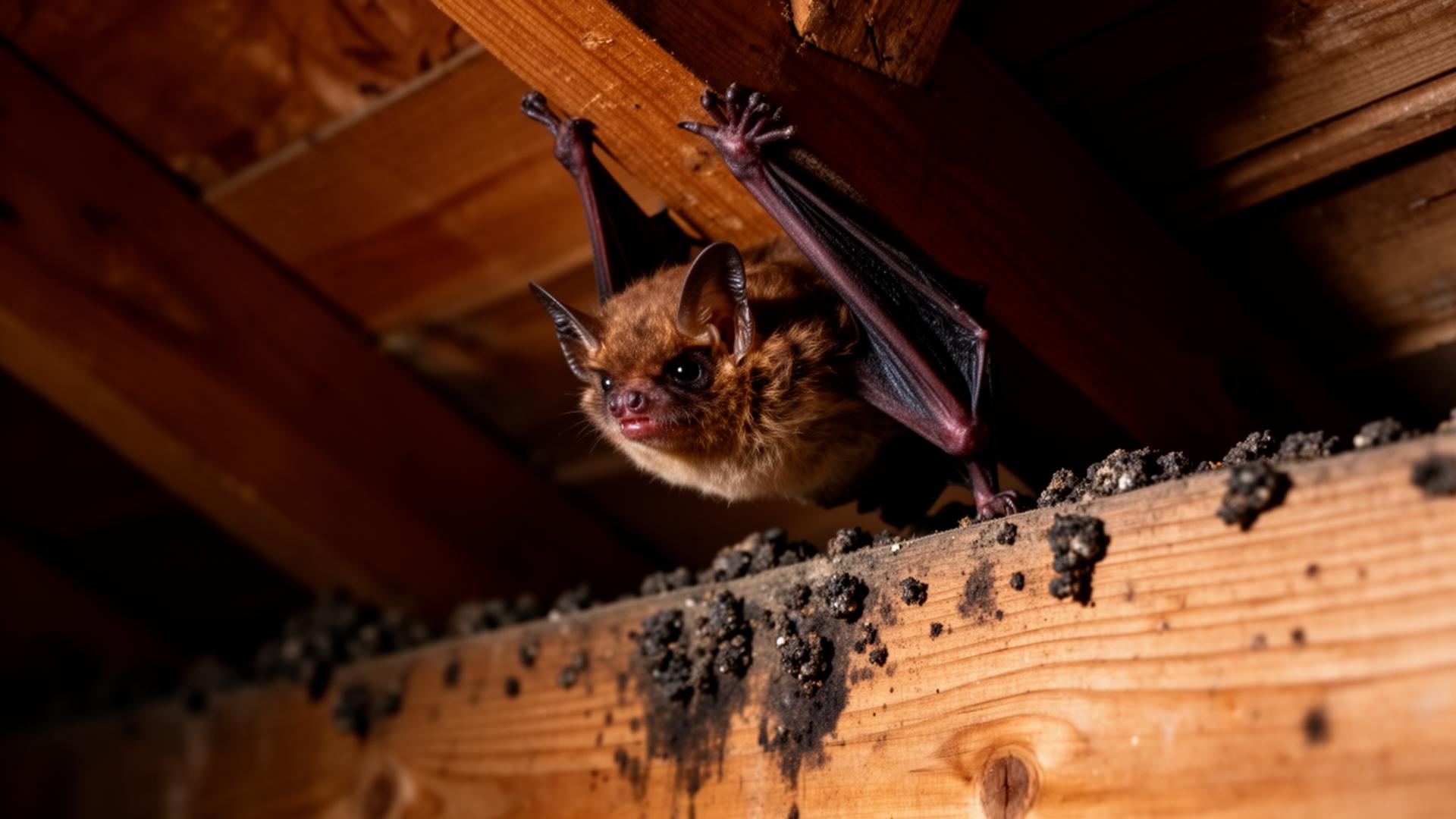
If you're hearing scratching or squeaking in your attic at dusk or dawn — or you've noticed a musty, ammonia-like smell coming from overhead — there's a very good chance you have a bat colony living in your home. In Metro Atlanta and West Georgia, we deal primarily with big brown bats and Brazilian free-tailed bats, both of which form colonies that can number in the dozens or even hundreds. By the time most homeowners notice signs, the colony has been established for months.
We got a call from a homeowner in Douglasville who thought they had one or two bats. When we accessed the attic, we found over 80 bats roosting along the ridge beam, and the guano accumulation was several inches deep across a 20-foot section. The insulation was destroyed, the drywall was stained from urine, and the ammonia smell was overwhelming. That's what makes bat infestations different from other wildlife — it's not just the animals, it's the contamination. Bat guano harbors the fungus Histoplasma capsulatum, which causes a serious respiratory illness called histoplasmosis. When guano dries and is disturbed, the spores become airborne and enter your HVAC system.
Bat exclusion in Georgia is also governed by strict seasonal regulations. During maternity season — roughly May through August — it is illegal to exclude bats because flightless pups would be trapped inside and die. This means timing matters. The ideal exclusion window is late August through October, after pups can fly but before winter hibernation. We can inspect and plan during any season, but active exclusion may need to be scheduled accordingly. In 15+ years doing this work, the one thing we see over and over is homeowners waiting too long to call. The longer a colony stays, the more damage accumulates — and the more expensive the remediation becomes.
What To Do Right Now
Do This
- Call a professional immediately — bat colonies grow and damage compounds rapidly
- Note the time of day you see bat activity (dusk and dawn are typical flight times)
- Keep children and pets away from any areas where guano is visible
- Turn off your HVAC if you smell a strong ammonia odor from the attic — you may be circulating contaminated air
Don't Do This
- Do NOT attempt to seal entry points yourself — trapping bats inside is illegal during maternity season and inhumane
- Do NOT handle bats with bare hands — bats are the #1 rabies carrier in Georgia
- Do NOT disturb guano without proper PPE — airborne Histoplasma spores cause serious respiratory illness
- Do NOT use poison or repellents — they're illegal, ineffective, and create bigger problems
Is This Happening in Your Peachtree Corners Home?
Scratching or squeaking in the attic at dusk or dawn
Small dark droppings (guano) accumulating in the attic or near entry points
Strong musty ammonia smell from the attic or walls
Bats flying in or out of gaps in the roof, soffit, or gable vents
Brown staining around roof edges or soffit where bats roost
Bat colonies in aging 1970s–80s attics in Spalding Woods and Amberfield near Simpsonwood Park
Bats entering homes along the Chattahoochee River corridor through deteriorated soffit and ridge vent gaps
Dangers & Health Risks
Histoplasmosis
Bat guano harbors the fungus Histoplasma capsulatum. When disturbed, spores become airborne and can cause serious respiratory illness.
Rabies Risk
Bats are the #1 carrier of rabies in Georgia. Even a small scratch can transmit the virus. Never handle a bat.
Structural Damage
Accumulated guano damages insulation, corrodes wood, and can cause ceiling stains and collapse in severe cases.
Parasites
Bat colonies bring bat bugs, fleas, and ticks into your home that persist even after the bats leave.
How We Solve Your Bat Removal Problem
Every situation is different, but our proven process ensures a permanent solution — not a temporary fix.
Thorough Inspection
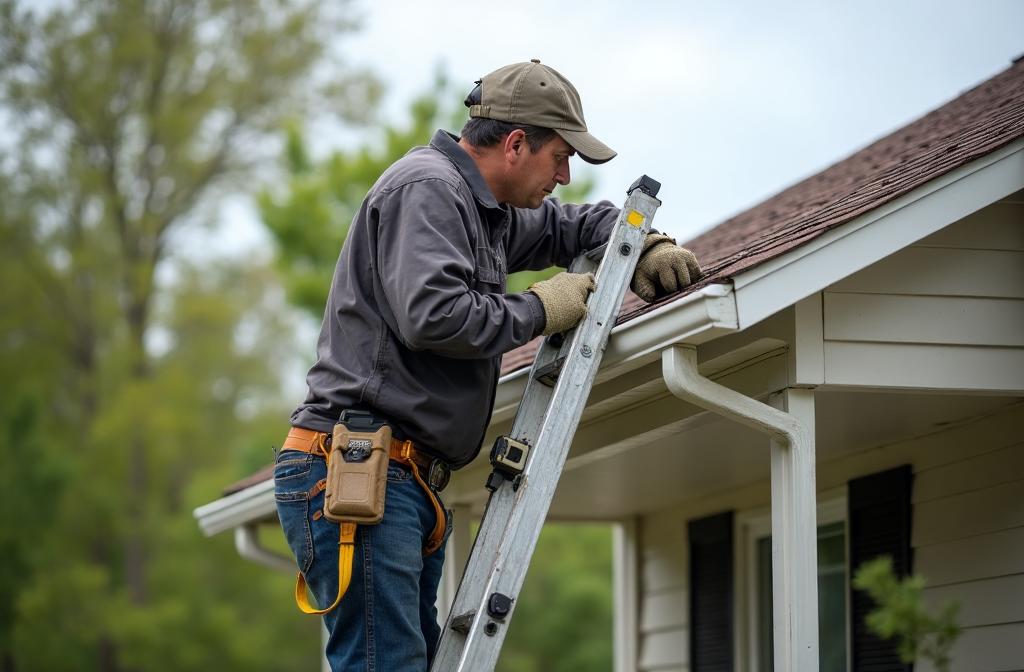
We inspect every inch of your roofline, attic, soffits, and gable vents to identify all entry points and assess the colony size. Bats can fit through gaps as small as 3/8 inch, so every potential entry must be found.
Humane Exclusion
We install one-way exclusion devices that let bats leave naturally but prevent re-entry. No bats are harmed — this is the only legal method, especially during Georgia's maternity season (May–August) when eviction is restricted.
Full Remediation & Repair
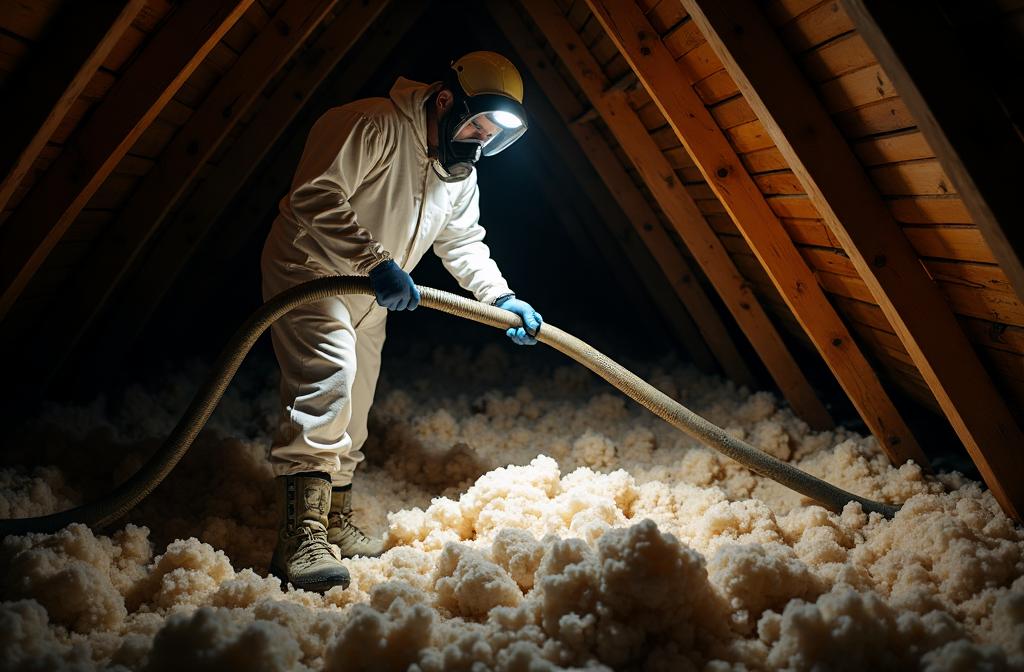
After exclusion, we remove all guano, sanitize and deodorize the attic with hospital-grade enzyme treatments, replace damaged insulation, and permanently seal every entry point with professional-grade materials.
Common in Peachtree Corners & Gwinnett County
In Metro Atlanta and West Georgia, big brown bats and Brazilian free-tailed bats are the most common species found in residential attics. Georgia's warm climate supports year-round bat activity, though colonies are most visible from April through October. Maternity season (May–August) restricts exclusion timing, making early spring or fall the ideal windows for removal. Homes in older neighborhoods with original wood soffits and unscreened gable vents — common in Carrollton, Douglasville, Newnan, Marietta, and Atlanta's historic districts — are especially vulnerable. The Georgia DNR classifies bats as protected wildlife, and it is illegal to poison, trap, or kill them.
The Chattahoochee River along the western border, Crooked Creek, Jones Bridge Park, Simpsonwood Park (220+ acres), and extensive mature tree canopy throughout residential areas. Aging 1970s–80s rooflines make Peachtree Corners a hotspot for squirrel and raccoon entry. Homes near the Chattahoochee and Simpsonwood Park see elevated bat and raccoon activity. Rodent issues persist in the denser areas near Technology Park.
Transparent Pricing, No Surprises
Most residential bat removal projects in Peachtree Corners range from $500–$4,000+
Projects can range from $500 to over $4,000 depending on your home's size, roof slopes, roof condition, soffit and fascia, overall condition of the home, and any existing damage that should be repaired during the exclusion process. Free inspection and detailed quote included — no hidden fees.
What Peachtree Corners Customers Say
"We had raccoons in our Spalding Woods attic for weeks before calling The Outdoors Group. They handled everything — trapping, repair, and attic cleanup. Wish we'd called sooner."
Linda M. — Peachtree Corners, GA
Bat Removal FAQ — Peachtree Corners, GA
Bat Removal in Nearby Cities
Other Services in Peachtree Corners
- Raccoon Removal in Peachtree Corners →
- Squirrel Removal in Peachtree Corners →
- Rodent Control in Peachtree Corners →
- Bird Removal in Peachtree Corners →
- Beaver Removal in Peachtree Corners →
- Predator Removal in Peachtree Corners →
- Wildlife Damage Repair in Peachtree Corners →
- Roof Replacement in Peachtree Corners →
- Seamless Gutter Replacement in Peachtree Corners →
- Crawlspace Restoration in Peachtree Corners →
- Crawlspace Encapsulation in Peachtree Corners →
Get Your Free Bat Removal Inspection in Peachtree Corners
Get Your Free Inspection